.avif)

Everything You Need to Know About Builder Design Pattern
The Builder pattern, explained: how it untangles messy object construction, when it's worth using, and a clean implementation you can adapt for your own code.
What is design pattern
A design pattern in software engineering is a general, reusable solution to a commonly occurring problem within a given context in software design. It is a template or blueprint that can be applied to solve a specific problem in various situations.
There are several reasons why software developers use design patterns:
- Provide Best Practices: They encapsulate the knowledge and experience of seasoned developers, offering a way to follow established design principles.
- Improve Code Reusability: By using a proven pattern, you can avoid re-inventing the wheel and adapt the solution to your specific needs.
- Enhance Code Maintainability: Well-designed patterns often make code easier to understand and modify, which is important for future maintenance.
- Facilitate Communication: Design patterns provide a common language among developers, making it easier to discuss and collaborate on code design.
Key Points
- Understanding the problems
- Too many parameters
- Telescopic constructors
- Immutability
- Order of initialization
Details:
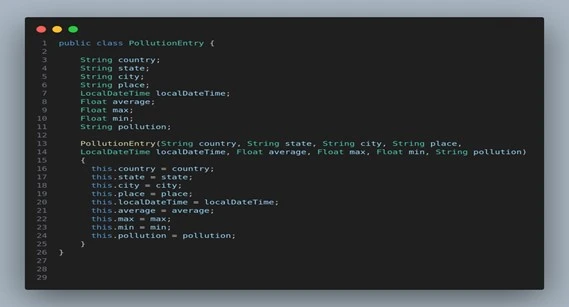
I. Constructor with long parameter
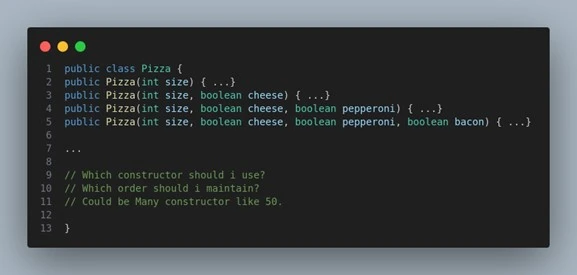
II. Telescopic Constructor
III. Immutability
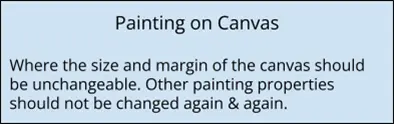
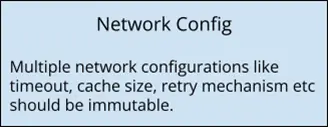
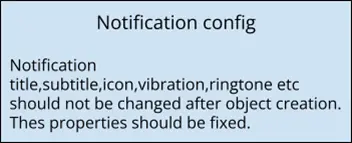
IV. Order of Initialization
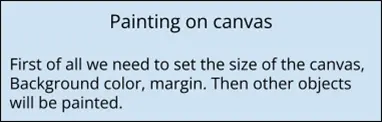
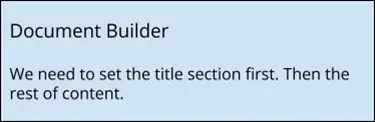
What we will support:
Complex and large number of parameters
Optional parameters
Immutable parameters
Order of initialization
The memorization of the order is not necessary for user
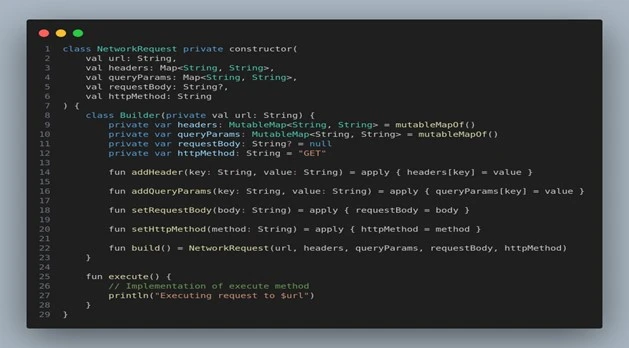
Builder Object:
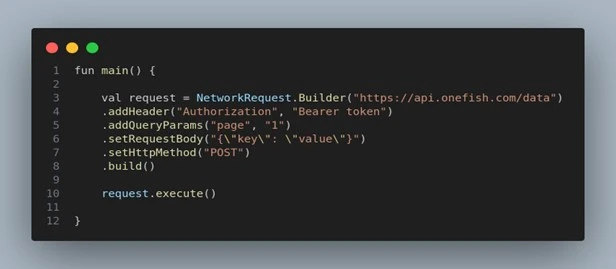
Builder Pattern Implementation
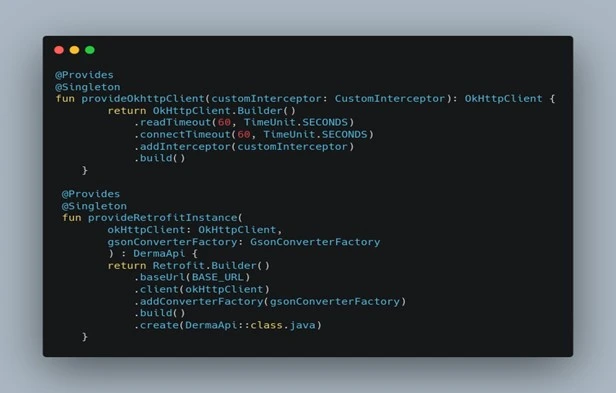
Builder Pattern In Project
Building something bigger than a code snippet? ARITS does custom software development.